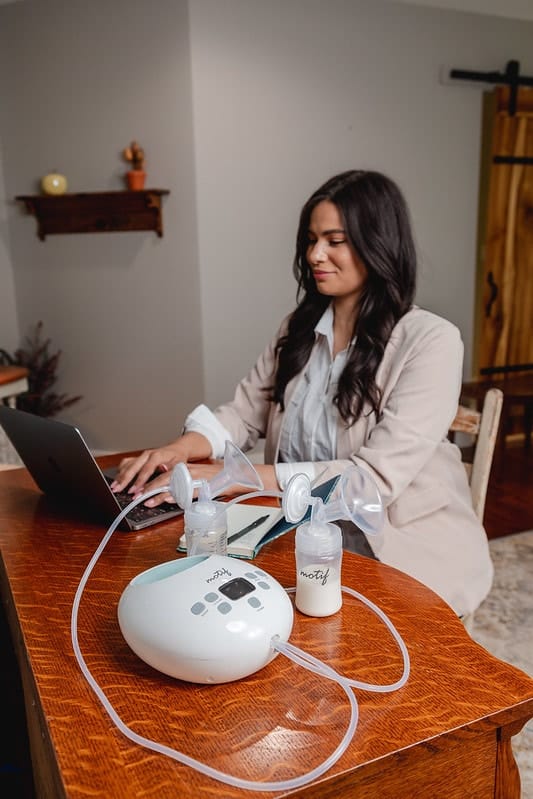

Returning to work after having a child can be challenging, particularly for employees who are breastfeeding or pumping at work. Balancing professional responsibilities with a newborn’s needs requires planning, communication, and support from employers. Fortunately, federal law provides workplace protections for many nursing employees, helping them continue their careers without having to choose between their jobs and their breastfeeding needs.
Understanding these protections can help employees advocate for themselves and help employers create more supportive workplaces.
Know Your Workplace Protections
The federal Providing Urgent Maternal Protections for Nursing Mothers Act, commonly known as the PUMP Act, expanded protections for employees who need to express breast milk at work. Under the Fair Labor Standards Act, most employees are entitled to reasonable break time to pump as often as needed for up to one year after their child’s birth. Employers must also provide a private location that is shielded from view and free from intrusion by coworkers and the public. A bathroom does not qualify. These protections generally apply to full-time and part-time employees.
Breaks do not automatically have to be paid if an employee is completely relieved of work duties. However, if an employee works while pumping at work, that time generally must be compensated. Employees who use otherwise paid breaks to pump must receive the same compensation as other employees taking those breaks.
State and local laws may provide additional protections, so employees should review the requirements that apply where they work.
Communicate With Your Employer about Pumping at Work
Planning ahead can make the transition back to work easier. Before returning from parental leave, consider discussing your pumping schedule and space requirements with your supervisor or human resources department.
You may need a room with a lock or other privacy measures, a chair, and a flat surface for your pump. Access to electricity and a nearby sink can also be helpful. Employers do not necessarily need to create a permanent lactation room, but the space they provide must meet legal requirements and be available whenever needed. You need to be safe and sanitary while pumping at work.
A conversation in advance can help everyone prepare for scheduling needs without requiring employees to disclose more personal information than necessary.
Balance Pumping at Work With Your Workday
Pumping needs vary from person to person, so there is no universal schedule that works for everyone. Consider how your breaks will fit around meetings, shifts, deadlines, and other responsibilities. Employees in healthcare, manufacturing, retail, and other demanding environments may need additional coordination to ensure coverage while they take necessary breaks.
Remote employees are also covered by federal pumping protections. Employers must ensure that workers can pump privately, including protection from observation through employer-required cameras or video systems.
Build a Supportive Workplace
Employers play an important role in making the return to work manageable. Clear policies, informed supervisors, appropriate facilities, and respectful communication can help nursing employees feel supported and remain engaged in their jobs.
Employees should also know that federal law prohibits retaliation for exercising protected rights. If an employer denies required breaks or appropriate space, workers can contact the U.S. Department of Labor’s Wage and Hour Division for guidance.
Ultimately, supporting breastfeeding employees is both a workplace responsibility and an opportunity to strengthen employee retention. With thoughtful planning and an understanding of legal protections, employers and employees can work together to make returning to work a more manageable experience.


